
Return to Country
For Aboriginal and Torres Strait Islander people who are unwell or in hospital far from home, we can help you see and hear your Country, community and special places again, through a 360° virtual reality experience filmed on request.
Every Return to Country needs approvals first, so get in touch and we’ll plan it together.
Wunya — welcome
Acknowledgement of Country
Chimera Legacy Foundation acknowledges the Traditional Custodians of the lands, waters and skies across Australia, and their continuing connection to Country, culture and community. We pay our respects to Elders past and present, and extend that respect to all Aboriginal and Torres Strait Islander people.
Wunya means ‘welcome’ or ‘greetings’ in the Yuggera language of the Brisbane region, where the Foundation is based, as recorded by the State Library of Queensland.
Please note: Aboriginal and Torres Strait Islander viewers are advised that Return to Country experiences may contain images or voices of people who have passed away.
Bringing home a little closer
Being sick is hard. Being sick a long way from home can be even harder. Many Aboriginal and Torres Strait Islander people have to travel hundreds or thousands of kilometres for treatment, and may spend weeks or months in hospital away from family, community and Country.
Return to Country is part of our Holiday from Hospital program. We film the places that matter to you in 360°, load them onto a virtual reality headset, and send it to your bedside. When you put the headset on, you can look all around, as if you were standing there.
It doesn’t replace going home. We hope it can bring a little comfort, connection and strength while you’re away.
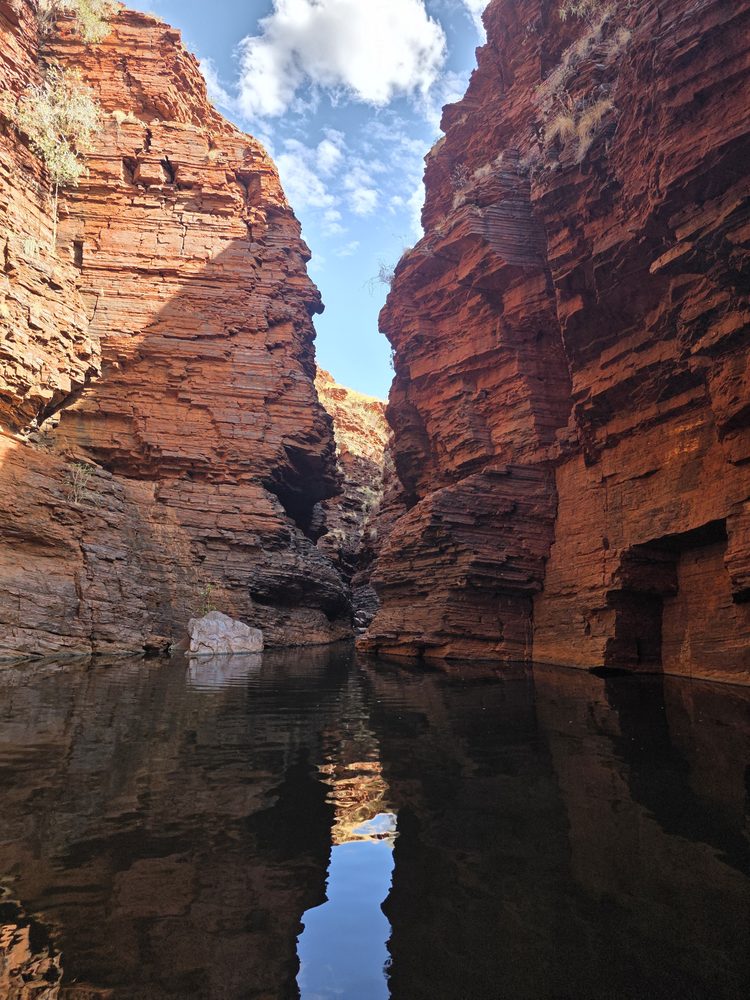
Karijini National ParkBanyjima, Innawonga and Kurrama Country 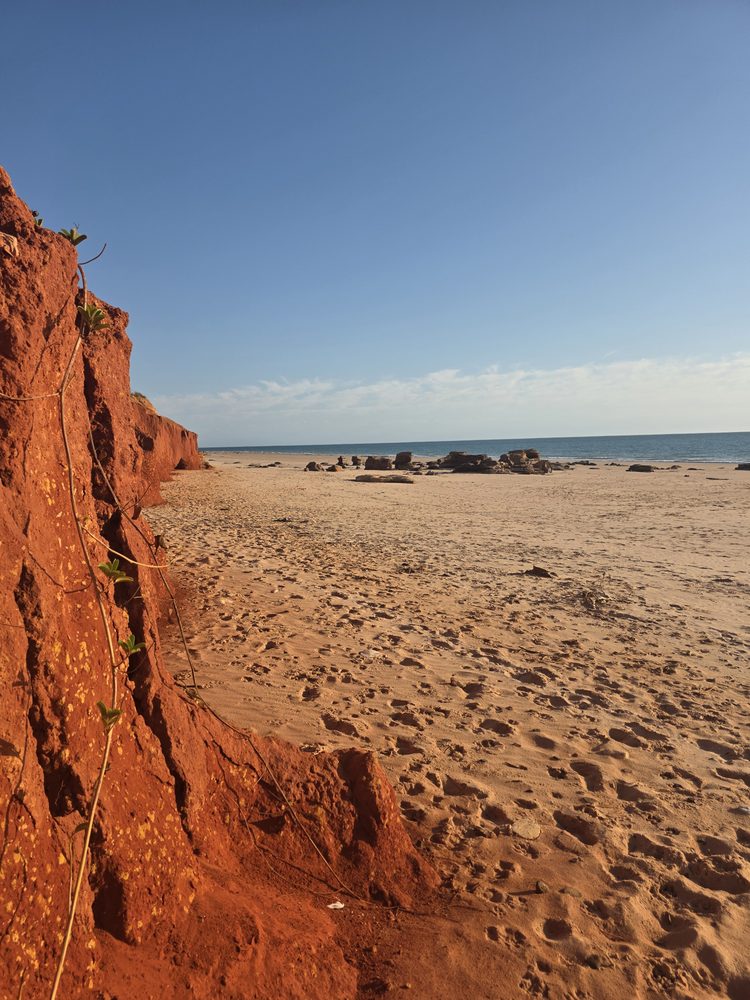
Broome coastlineYawuru Country 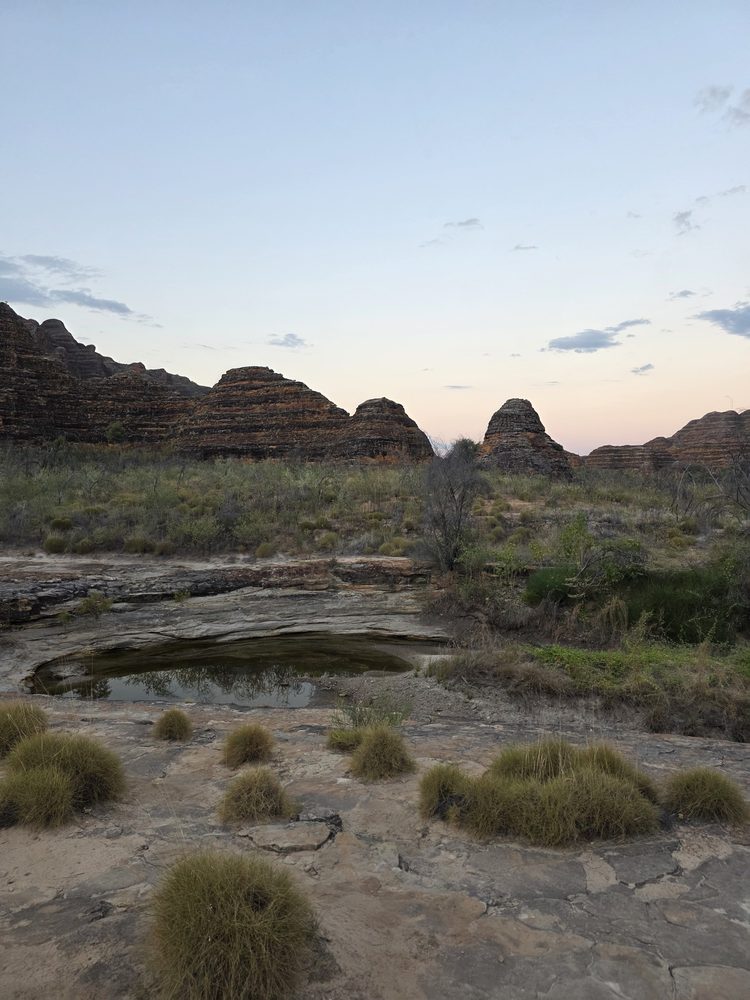
Purnululu National ParkGija and Jaru Country 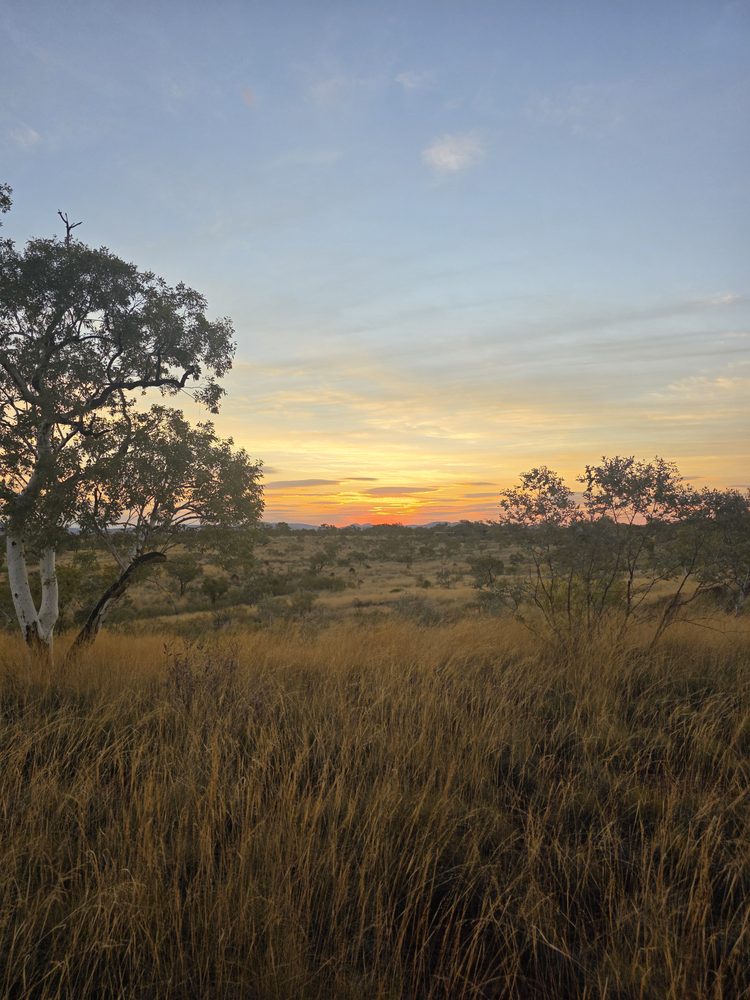
Bush Sunset
Why connection to Country matters
We are not experts in culture, and we don’t speak for anyone’s community. But we have listened, and we understand that for many Aboriginal and Torres Strait Islander people, Country is central to who they are.
Country is more than a place
Land, sea, waterways, skies and Islands hold family, story, culture and identity. Being away from them for a long time can be painful.
Wellbeing is about the whole person
Health is often understood as more than the body. It includes spirit, culture, family and community, and feeling connected to them.
Familiar sights and sounds
Seeing your home again, and hearing familiar voices and sounds, may help you feel less alone during a long stay in hospital.
Find your Country
The AIATSIS Map of Indigenous Australia shows the general locations of larger groupings of Aboriginal and Torres Strait Islander peoples, including language, social and nation groups. It’s a great starting place to explore Country, language and nations.
The map is indicative only. Boundaries are not exact or fixed, some information is contested and may not be agreed to by some Traditional Custodians, and it isn’t suitable for native title or other land claims. Only Traditional Custodians can speak for their Country. Map: David R Horton (creator), © AIATSIS, 1996.
Explore the many language, social and nation groups of Aboriginal Australia on the AIATSIS Map of Indigenous Australia (opens in a new tab).
How it works
Simple steps, done together, at a pace that suits you, your family and your community.
-
1
Tell us about your Country
You, a family member, or a hospital or Aboriginal health worker can tell us about the patient, their Country or community, and the places they’d love to see.
-
2
We plan it together
We work with the patient, their family and community, including Elders where appropriate, to agree what can be filmed, where, and who should be part of it.
-
3
We film with permission
We film in 360° only with permission and with cultural respect, following the guidance we are given by community.
-
4
We deliver the headset
We send a loan virtual reality headset to the hospital, preloaded with the experience, so the patient can visit home from their bed.
Every request is different. Distance, timing, weather, funding and community permission all affect what we can do, so we’ll talk honestly with you about what’s possible.
Our commitment to cultural safety
Return to Country belongs to the people it is made for. We will always put the wishes of the patient, family and community first.
- Permission first. We only film with the permission of the community and the people involved.
- Sacred sites respected. We follow all cultural protocols, restrictions and guidance about places, people and times.
- No restricted places. We will never film restricted or sacred places that are not to be shown.
- Your footage, your say. The footage belongs to the family and community, and is only shared with their consent.
- Sorry business respected. If someone shown in the footage passes away, we will follow the family’s wishes about the footage.
- Always listening. If we get something wrong, tell us. We will listen, learn and fix it.
Get involved
Whether you are a patient, a family member, a supporter or a community organisation, there is a way to help someone return to Country.
Request an experience
Are you, or someone you love, in hospital far from Country? Tell us about the places that matter most.
Contact usEvery Return to Country needs approvals first, so get in touch and we’ll plan it together.
Support Return to Country
Your donation helps cover travel, filming and headsets, so more patients can see home while they recover.
Support Return to CountryPartner with us
We’d love to hear from communities, Aboriginal and Torres Strait Islander health workers, and Aboriginal Community Controlled Health Organisations who would like to shape and guide this work with us. Email info@
Support and services
- 13YARN: 24/7 crisis support for Aboriginal and Torres Strait Islander people. Call 13 92 76 or visit 13yarn.org.au (opens in a new tab).
- Aboriginal Community Controlled Health Organisations (ACCHOs): find a service near you on NACCHO’s member locations (opens in a new tab).
In an emergency, call 000.